AI and happiness hormones: how artificial intelligence can balance your inner chemistry
Unexplained fatigue, lack of motivation, difficulty feeling pleasure in your daily activities…
These signals often point to the same culprit: an imbalance in your happiness hormones.
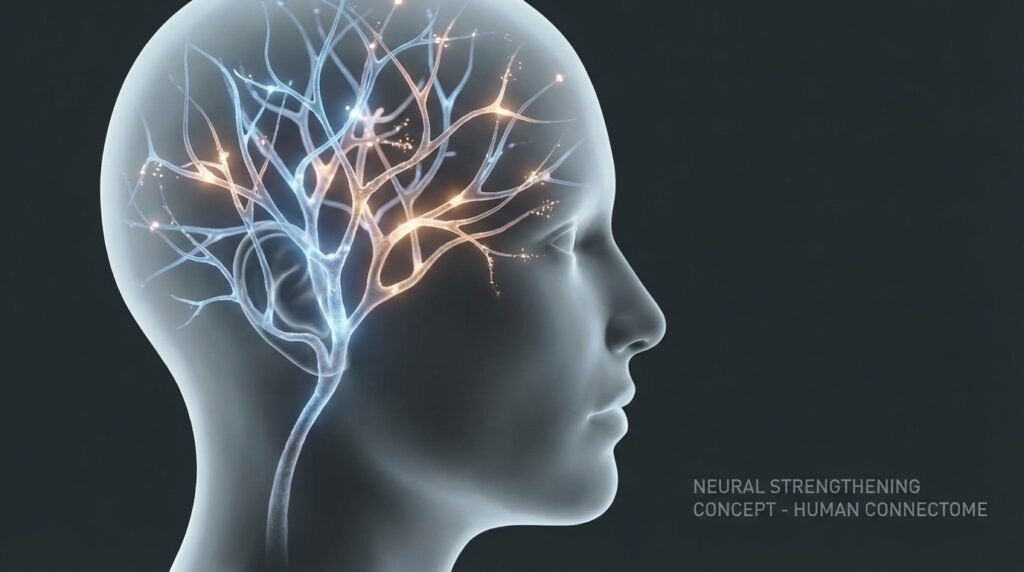
Dopamine, serotonin, oxytocin and endorphins form the biochemical quartet that orchestrates your emotional well-being.
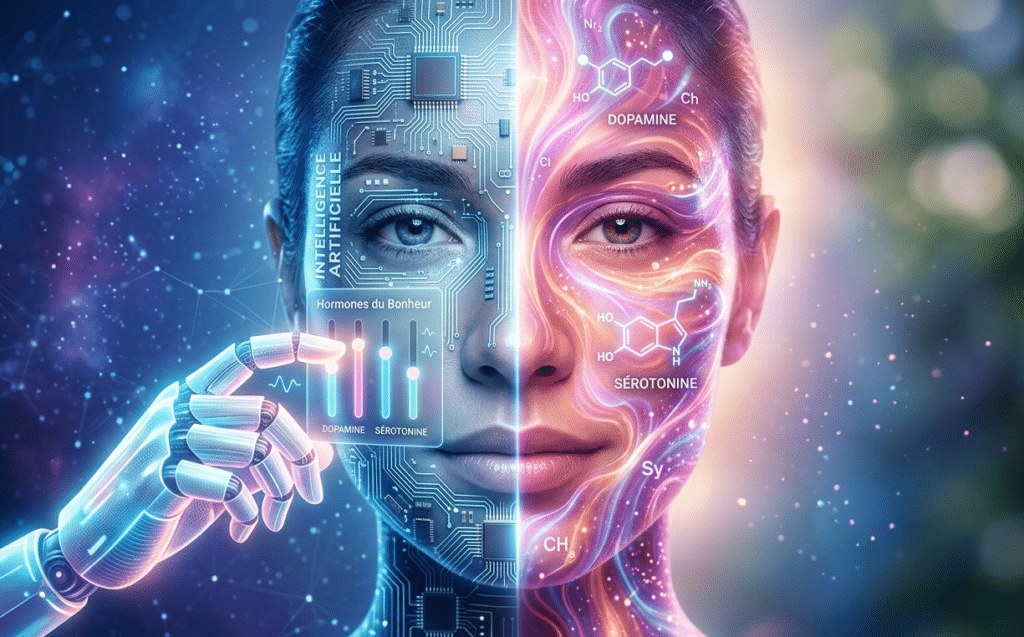
What if artificial intelligence could become your ally in keeping this machinery running smoothly?
Important clarification before going any further: AI is not meant to replace human relationships, which are especially essential for oxytocin secretion. However, it is a powerful lever for analyzing your habits, reminding you to take care of your hormonal balance, and suggesting personalized adjustments.
Let’s explore together this fascinating convergence between neuroscience and technology.
The 4 happiness hormones: understanding your inner pharmacy
Before exploring the role of AI, it is essential to understand the effects and actions of the 4 happiness hormones. Each has a distinct mechanism, a specific trigger, and a unique impact on your emotional state.
These are not just “pleasure molecules.”
They regulate:
- Your motivation and your desire to act
- Your sleep and emotional stability
- Your ability to build connections that are authentic
- Your resistance to pain and stress
An imbalance in just one of them is enough to disrupt the entire system. That is why a holistic approach, supported by smart tools, proves far more effective than an isolated intervention.
Dopamine: the engine of motivation and reward
Dopamine is often described as the “reward hormone,” but that definition is reductive. It is mainly involved in the anticipation of pleasure—in other words, in the motivation that pushes you to act.
In practical terms, when you set a goal and make progress toward achieving it, your brain releases dopamine. It is what gives you the energy to get up in the morning with a project in mind, makes learning rewarding, and fuels your creativity.
A dopamine deficiency shows up as:
- Chronic procrastination
- A lack of interest in activities that were once stimulating
- A generalized feeling of apathy
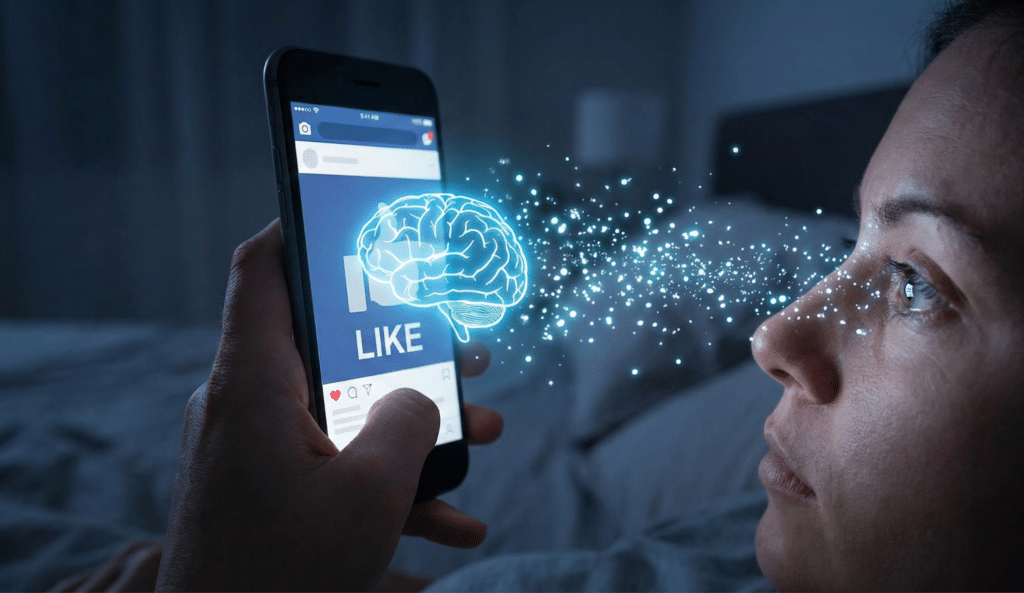
By contrast, dopaminergic overstimulation—caused by social media, compulsive gaming, or certain substances—leads to progressive desensitization. Your brain then demands ever larger doses to feel the same level of satisfaction. Imagine a thermostat that gets out of whack: you have to turn the heat up more and more to get the same warmth.
Serotonin: the mood stabilizer
Serotonin regulates your baseline mood, your sleep-wake cycle, and your digestion. Unlike dopamine, which creates peaks of pleasure, serotonin provides lasting emotional stability.
A little-known fact: it is synthesized 95% in the gut. This detail explains the close link between diet, the microbiome, and mental health. Adequate serotonin levels give you a sense of serenity, self-confidence, and existential satisfaction.
Serotonin deficiencies are associated with depression, anxiety, sleep disorders, and compulsive eating behaviors. The most effective natural levers:
- Exposure to natural light
- Regular physical exercise
- A diet rich in tryptophan (a precursor to serotonin)
In our modern lifestyles, these fundamentals are often neglected—precisely where AI can step in as a reminder and personalized coach.
Oxytocin: the hormone of social connection
Oxytocin is released during physical contact, moments of authentic emotional connection, breastfeeding, or even a simple caring glance exchanged with a loved one. It strengthens attachment bonds, promotes trust, and reduces cortisol (the stress hormone).
It is what gives you that feeling of inner warmth during a sincere embrace or a deep conversation with a friend.
And this is precisely where the distinction between AI and human relationships becomes crucial. No algorithm, however sophisticated, can reproduce the oxytocin release triggered by genuine human contact. A chatbot can simulate empathy, but your nervous system knows the difference.
On the other hand, AI can encourage you to maintain and enrich your social relationships, remind you to call a loved one, or help you identify the moments when your isolation becomes problematic.
Endorphins: your natural painkillers
Endorphins work like endogenous opioids: they reduce pain and produce a feeling of euphoria. The “runner’s high—that wave of well-being after intense physical exertion—is their best-known manifestation.
But they are also released by:
- Laughter
- Music
- Spicy foods
- Certain forms of meditation
An endorphin deficit results in hypersensitivity to pain, difficulty managing physical stress, and a tendency to seek artificial substitutes (alcohol, sugar, substances). The goal is not to live permanently under endorphins, but to maintain routines that stimulate their regular production.
How AI can support the balance of your happiness hormones
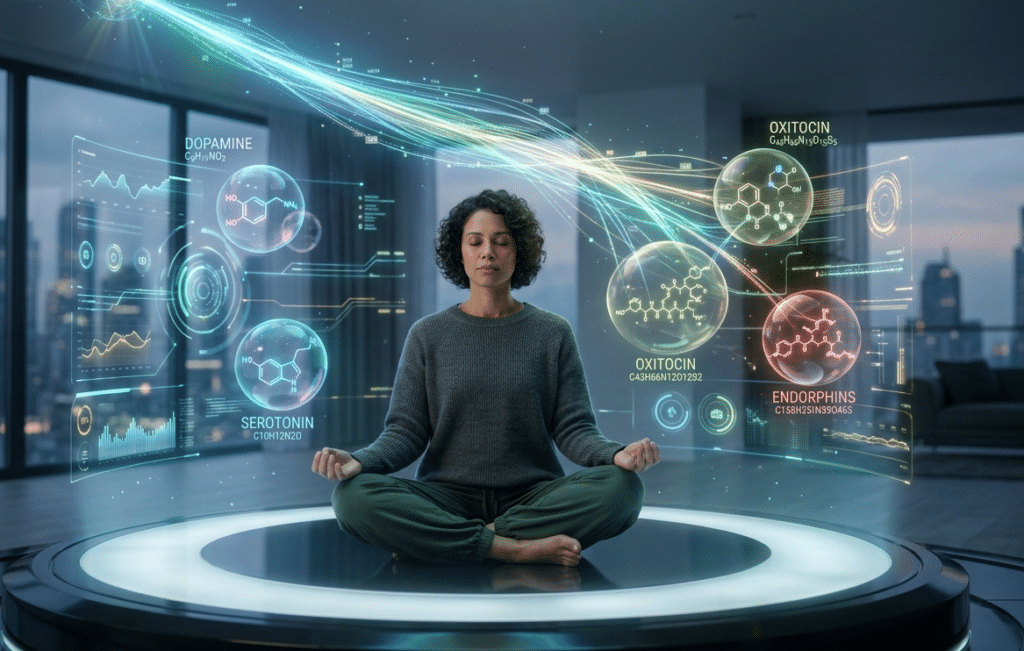
Artificial intelligence acts as a bridge between your theoretical knowledge and its everyday application.
Let’s be clear: most people know they should move more, sleep better, and nurture their relationships. The problem is not a lack of information, but the consistent execution of these good habits. This is exactly where AI delivers its added value.
AI-based tools analyze your behavioral data — sleep, physical activity, social interactions, screen time — to identify patterns invisible to the naked eye. They can detect that a drop in motivation (dopaminergic signal) systematically coincides with a lack of natural light (serotonergic impact), or that your irritability increases during weeks when your social contacts decrease (oxytocin deficit).
Smart tracking: beyond the simple step counter
Wearables and AI-powered health apps no longer just measure your heart rate or step count. Modern algorithms cross dozens of variables — heart rate variability, sleep quality, skin temperature, exercise consistency — to assess your probable neurochemical state.
Some apps then suggest targeted micro-actions:
- A 20-minute walk outdoors to stimulate serotonin
- A call to a loved one for oxytocin
- Breaking a project into smaller steps to keep the dopaminergic circuit active
- An intense workout to release endorphins
The decisive advantage of these systems lies in their learning capability. Over the weeks, AI identifies what works specifically for you.
Where a generic piece of advice recommends “30 minutes of exercise per day,” a personalized AI assistant may determine that 45 minutes of swimming in the morning is what produces the optimal endorphin effect for you, or that your dopaminergic productivity peak occurs after a 10-minute guided meditation session. This level of detail makes all the difference between theoretical advice and a concrete transformation.
AI emotional coaching applications
Platforms such as Woebot, Replika, or smartphone-integrated assistants use natural language processing to provide regular emotional support. By asking targeted questions about your mood, energy level, and recent activities, they build a dynamic emotional profile.
They can then alert you when a pattern of imbalance starts to emerge, long before you notice it yourself.
However, let’s emphasize this clearly: these tools complement but never replace professional psychological support or authentic human interaction. An AI that encourages you to “take care of yourself” does not produce oxytocin. But an AI that reminds you to plan a dinner with friends, hug your child when you get home from work, or join a sports club acts as a catalyst for pro-oxytocin behaviors.
Practical strategies: balancing each hormone with the help of AI
Let’s move from theory to practice. Here is a structured approach to using artificial intelligence tools as levers for hormonal balance, while respecting the specificity of each molecule.
AI-assisted dopaminergic protocol
Dopamine rewards progression, not the final accomplishment. AI excels at breaking complex goals into gratifying micro-steps.
In practice:
- Use smart productivity apps (Notion AI, Todoist) to break down your projects — each checked-off task triggers a micro-dopamine spike
- Set up smart alerts that steer you toward “healthy” dopamine activities when AI detects compulsive scrolling behavior
- Gradually replace artificial dopamine sources with engaging alternatives: a 5-minute cognitive challenge, a language lesson, or the next step in a personal project
This gradual replacement reprograms your reward circuits toward durable sources of satisfaction. Rather than a guilt-inducing notification, the system offers you a stimulating and constructive alternative.
Serotonergic optimization through data analysis
Serotonin depends heavily on measurable environmental factors: light exposure, sleep regularity, nutritional quality, and physical activity. AI can cross-reference this data via your connected devices and identify correlations between your habits and your reported mood.
Some systems even go so far as to recommend precise dietary adjustments — increasing tryptophan through nuts, bananas, and eggs — based on the deficiencies they detect.
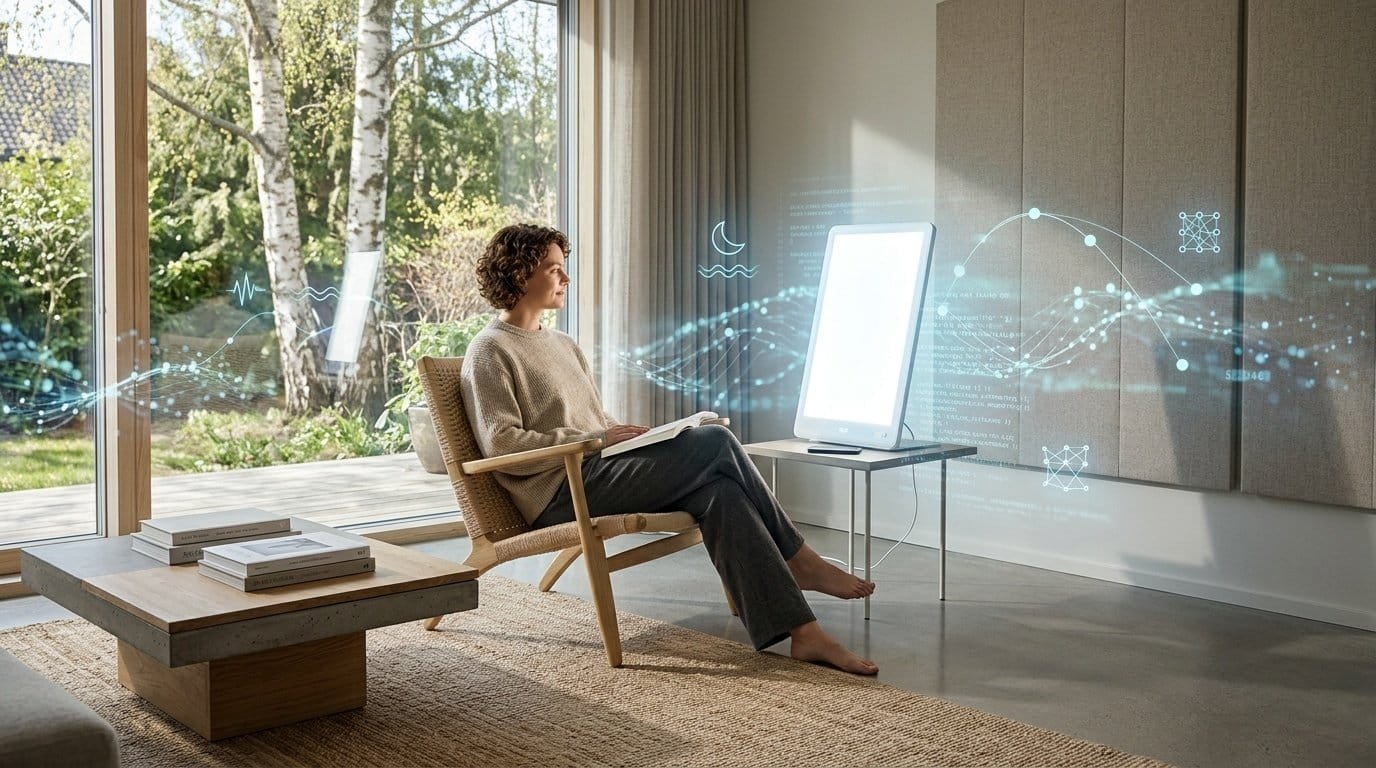
Smart light therapy apps adjust exposure intensity and duration based on your geolocation, the season, and your sleep data. In winter, especially in France and Belgium where sunlight drops dramatically, these systems anticipate seasonal serotonergic decline and offer preventive protocols before symptoms of winter depression even appear.
Summary table: AI and happiness hormones
| Hormone | Main role | AI action |
|---|---|---|
| Dopamine | Motivation and reward | Break down goals, limit digital distractions, celebrate every micro-progress |
| Serotonin | Emotional stability | Analyze light exposure, sleep, and nutrition to adjust routines in real time |
| Oxytocin | Social bonding and attachment | Schedule reminders to maintain human connections (calls, meetups, gestures of affection) |
| Endorphins | Pain management and euphoria | Adaptive coaching that optimizes exercise intensity to maximize endorphin release |
Ethical and biological limits: what AI cannot do
It would be intellectually dishonest to present artificial intelligence as a miracle solution for hormonal happiness. The limits are real and must be understood to avoid counterproductive technological dependence.
AI optimizes, measures, and reminds — but it does not feel, does not touch, and does not replace any embodied human experience.
The main risk lies in substitution:
- Using an empathetic chatbot instead of a friend
- Entrusting your well-being to an algorithm rather than a therapist
- Compulsively measuring your data at the expense of direct bodily awareness
The goal of technology should remain to reconnect you with your biology and your fellow human beings, never to create an additional layer of abstraction between you and your lived experience.
The oxytocin paradox of digital life
Neuroscientific studies confirm that virtual interactions, even the most sophisticated ones, do not stimulate oxytocin production in the same way as real physical contact.
Simply put:
- A video conference produces less oxytocin than an in-person meeting
- A text message, no matter how kind, does not activate the same neural pathways as an embrace
- A chatbot triggers no measurable oxytocin response
AI should therefore serve as a bridge to reality, not a destination in itself.
The optimal strategy: use AI as a “social coach” that identifies your unmet relational needs and pushes you to address them through concrete actions in the physical world. A system that detects three consecutive days without meaningful social interaction and suggests inviting a coworker to lunch fulfills exactly this bridging role.
Toward a balanced use: AI as a mirror of your humanity
The most relevant approach is to view artificial intelligence not as a substitute for your natural chemistry, but as a smart mirror of your habits.
Your brain produces the molecules needed for your well-being every day.
The modern problem is not a biological manufacturing defect, but an environment that systematically sabotages the conditions for optimal production:
- Sedentary lifestyle (low endorphins)
- Social isolation (oxytocin decline)
- Overexposure to screens (hijacked dopamine)
- Ultra-processed diet (weakened serotonin)
- Chronic sleep debt (all hormones disrupted)
AI is part of a process of reappropriation: it makes visible what your modern lifestyle has made invisible. It quantifies the impact of your daily choices on your neurochemical balance and gives you the opportunity to adjust course consciously.
It is a tool for clarity, not an automatic happiness dispenser. It is up to you to turn this data into embodied actions, real relationships, and fully lived experiences.
FAQ: AI and happiness hormones
What are the 4 happiness hormones and their main effects?
The four happiness hormones are dopamine (motivation and reward), serotonin (mood stability and serenity), oxytocin (social bonding and attachment), and endorphins (pain reduction and euphoria). Each responds to specific triggers and contributes differently to your overall well-being.
Can AI really help you become happier?
AI does not produce happiness directly. It acts as a tool for analysis and reminders that helps you maintain habits that promote the natural secretion of your happiness hormones: physical exercise, quality sleep, light exposure, social interactions, and appropriate nutrition.
Which AI tools do you recommend for balancing happiness hormones?
Wearables with integrated AI (Oura Ring, Whoop), emotional coaching apps (Woebot, Daylio), smart productivity tools (Notion AI, Todoist), and adaptive meditation apps (Headspace, Calm) form an effective ecosystem for supporting your hormonal balance every day.
Can AI replace human relationships to produce oxytocin?
No. Neuroscientific studies show that only authentic human contact — physical touch, eye contact, real presence — triggers a significant oxytocin response. However, AI can encourage you to maintain and enrich your social bonds by acting as a smart reminder toward real-world interactions.