How does the brain control
our actions?
The secrets of cognitive neuroscience
Key takeaways: The brain is not a fixed computer, but a living, malleable organ.
Its 86 billion neurons are constantly reconfiguring themselves as we gain new experiences.
By deciphering this dynamic, science is now sweeping away preconceived notions to revolutionize learning and mental health, opening up new perspectives on our potential for transformation.
You may think you are the sole master of your decisions, but behind the scenes, invisible biology guides your reactions.
This article delves into the heart of cognitive neuroscience to reveal the workings of your true mind, far from conventional wisdom. Discover how the plasticity of your brain and the management of your attention shape, day after day, the way you perceive the world and adapt to it.
The many faces of current neuroscientific research
After recognizing the importance of the brain, it is essential to define what research actually embodies today. Far from being an isolated discipline, it is at the crossroads of several worlds.
A connection between our body and our actions
Neuroscience does much more than map the brain. Above all, it studies the brain’s ability to sort information: the brain receives thousands of pieces of information (what you see, hear, or feel) and assembles them so that you can react logically. It is a never-ending dialogue between your cells and the world around you.
To better understand what drives us to act, researchers also use ethology. This is the science that observes living beings in their natural environment, rather than in a laboratory. Its goal is simple: to explain the origin of our actions. Is it a survival reflex inherited from our ancestors, or a habit learned in society? By observing humans and animals in “real life” in this way, we are able to quantify and explain behaviors that have long seemed mysterious.

The work of the 330 researchers at Section 26 of the CNRS perfectly illustrates this synergy, where molecular biology meets detailed observation of social behavior.
The role of mathematics and AI
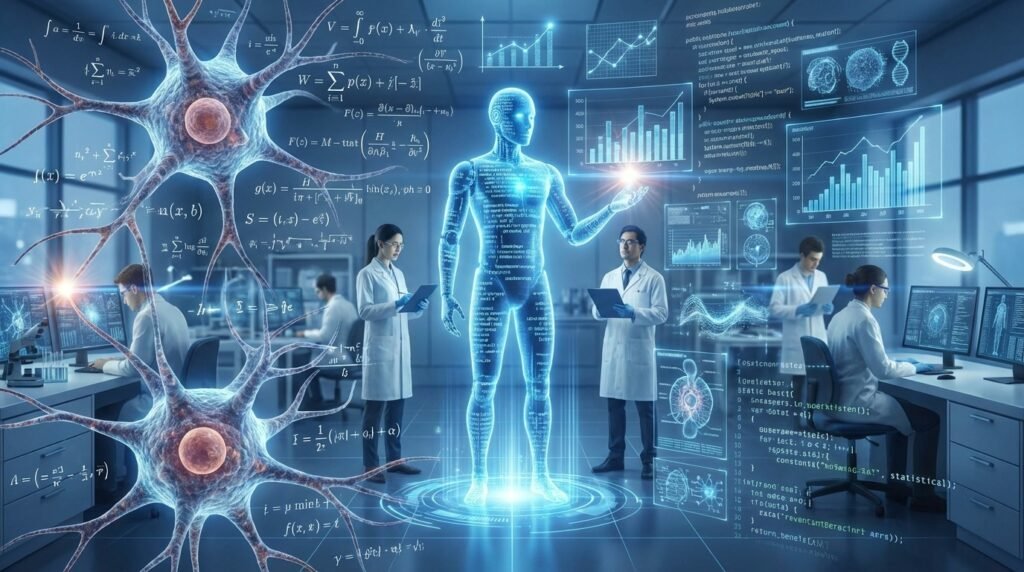
Mathematics has been a valuable aid to biology: it allows us to translate the complex activity of neurons into understandable numbers. Thanks to calculations, we no longer simply describe what we see; we can now predict how the brain will react. It’s a bit like moving from weather observation to weather forecasting.
Artificial intelligence acts as a powerful assistant here. It is capable of sifting through mountains of information to find tiny details that would take a human brain years to discover. Using statistics, researchers can finally confirm their theories about how the nervous system works, providing a clear mathematical explanation for the complexity of our biology.
When biology meets the humanities
Biology does not work alone; it joins forces with other fields to understand how culture shapes our minds.
Psycholinguistics, for example, studies the way we speak. It shows that to understand language, it is not enough to observe the areas of the brain: we must also take into account our culture and history. Language is the bridge where our neurons meet our human heritage.
For its part, neuroeconomics focuses on our financial choices. It reveals that when we make a purchasing or investment decision, our brain does not behave like a cold calculator. When faced with uncertainty, emotional circuits are activated and influence our calculations.
Finally, social influence is the last pillar. It teaches us that our intelligence is built primarily through contact with others. From childhood onwards, our interactions with those around us physically shape the structure of our brains. Ultimately, even though each of us has our own brain, it is a “social organ” designed to live and grow within a group.
Biological drivers: what drives our behavior
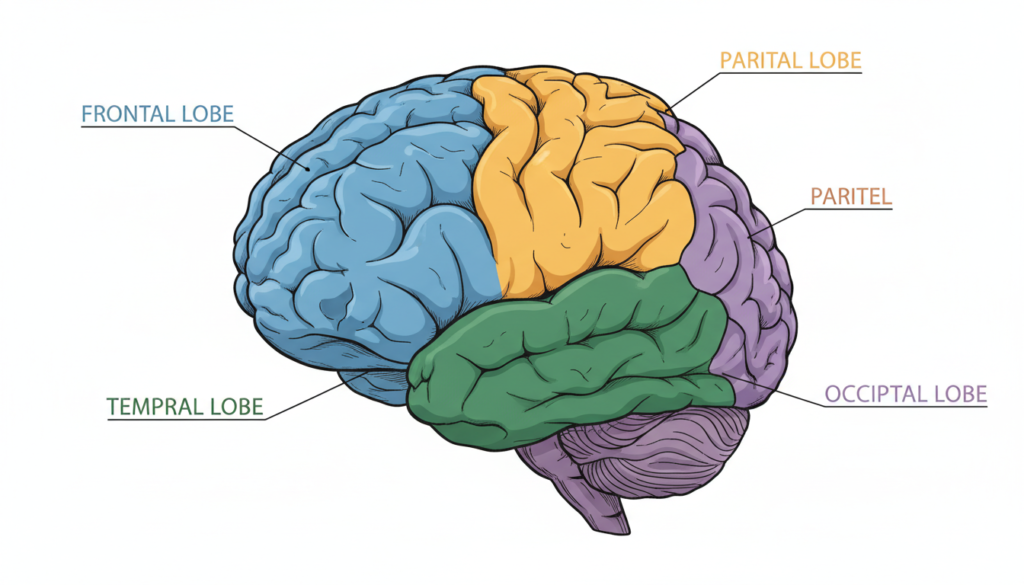
To understand how we act, it is not a matter of memorizing each area of the brain, but of grasping how its structure drives our reactions.
If you would like to explore the complete anatomy (lobes, glial cells, and details of the brain stem), we invite you to read our article on How the Human Brain Works.
Let us remember the three levers that dictate our daily lives:
The command center and its connection
The brain is not a monolithic block. It uses gray matter to analyze situations and make decisions (particularly in the prefrontal cortex, the seat of reason), and white matter to transmit these commands at lightning speed throughout the body. It is this duo that allows us to move from thought to action in a fraction of a second.
The chemistry of our internal states
Communication between our 86 billion neurons is not only electrical; it is primarily chemical. At each “junction” (the synapse), molecules called neurotransmitters dictate our state of mind:
- Glutamate and GABA: They manage the balance between excitement and calm, causing the brain to overheat.
- La Dopamine : C’est le carburant de la motivation et de la récompense. Elle transforme une simple envie en une décision d’agir.
- La Sérotonine : Elle régule l’humeur et le sommeil, agissant comme un stabilisateur de fond pour nos émotions.
A structure under constant construction
The most important point is undoubtedly brain plasticity. Contrary to popular belief, our brain is not a circuit board that is fixed at birth. It reconfigures itself with each new learning experience, strengthening useful connections and eliminating others. It is this malleability that allows us to evolve, change our habits, and adapt to new environments, regardless of our age.
How does science observe the brain?
To understand the link between our neurons and our behavior, researchers need to see “through” the skull. However, current technology forces a strategic choice: should priority be given to spatial accuracy or temporal accuracy? This is the major dilemma in brain imaging.
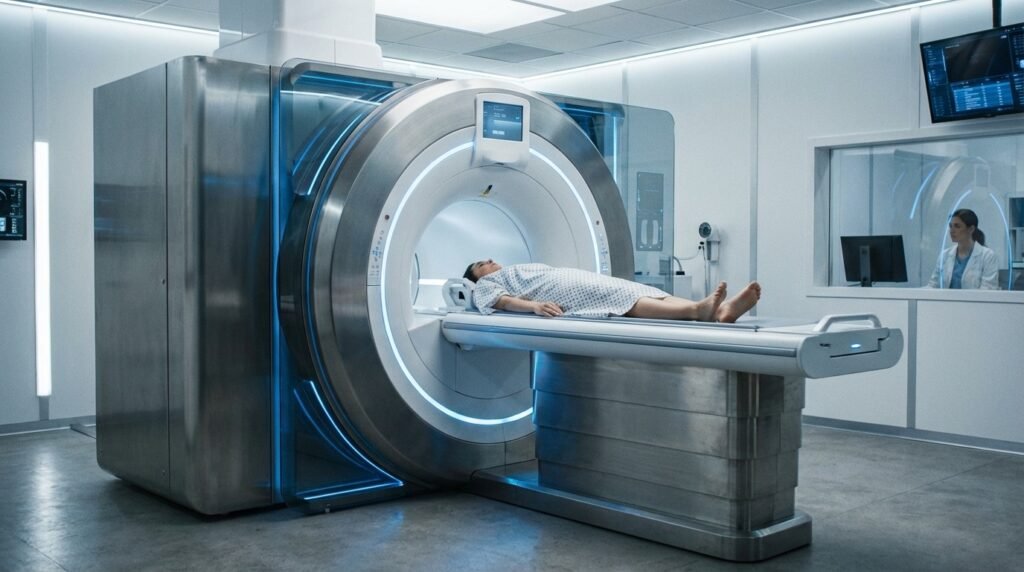
Location accuracy (Where?): functional MRI (fMRI)
fMRI is the gold standard for mapping mental activity with geographic precision.
- The principle: The brain does not store energy. As soon as an area becomes active, it calls for an influx of oxygen-rich blood. This is known as the BOLD signal. fMRI detects these variations.
- The result: It’s like a high-definition photo. It allows you to locate the exact area that is working (for example, the language area or the emotions area).
- The limitation: It is a slow method. Blood flow takes a few seconds to move, so we can see where the action took place, but with a delay relative to actual thought.
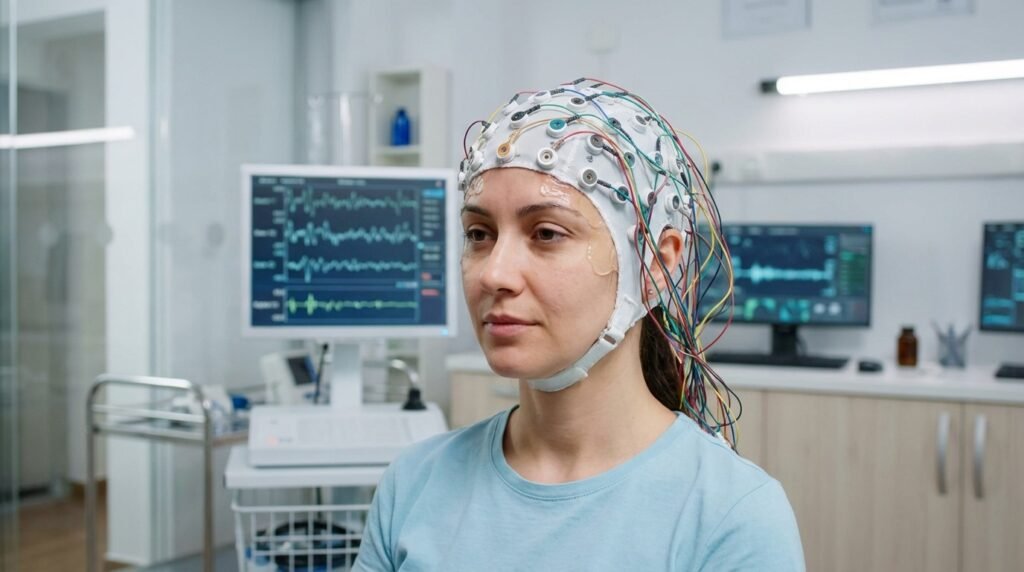
Timing (When?): the EEG
Electroencephalography captures the brain’s electrical activity in real time.
- The principle: Neurons communicate via weak electrical currents. Sensors placed on the scalp record this activity in the form of waves.
- The result: It’s like an ultra-fast stopwatch. You can see the brain’s reaction down to the millisecond. It’s the ideal tool for studying the speed of thought, reflexes, or sleep cycles.
- The limitation: The signal is geographically “fuzzy.” We know when the brain reacts, but it is very difficult to pinpoint precisely which group of neurons deep within the brain triggered the signal.
New techniques: towards a comprehensive and mobile vision
To overcome the limitations of MRI and EEG, researchers have developed next-generation tools. These techniques aim either to combine spatial and temporal precision or to enable the study of the brain in “real life.”
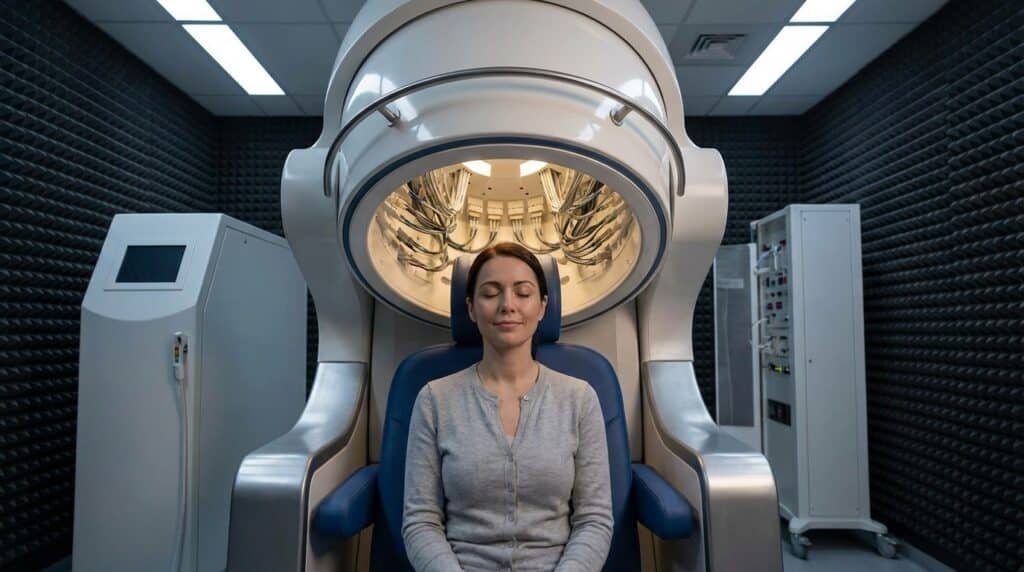
MEG (magnetoencephalography) is often considered the “super tool” of brain imaging.
- How it works: It does not measure electricity like an EEG, but rather the tiny magnetic fields produced by neuron activity. Since these fields are not distorted by the skull, the signal is much purer.
- The concrete benefit: It offers excellent precision in terms of location (where it happens) while remaining instantaneous in terms of time (when it happens). It is the ideal technique for tracking, millisecond by millisecond, the path of information as it travels from one area of the brain to another.
- The downside: It is a very heavy and expensive installation, requiring a room isolated from any terrestrial magnetic field (such as a bunker).
fNIRS (functional near-infrared spectroscopy) represents a minor revolution: it finally frees patients from the constraints of conventional imaging tunnels.
- How it works: A cap equipped with optical fibers is placed on the head. The device emits harmless infrared light that passes through the skin and bone. Oxygenated blood absorbs this light differently than non-oxygenated blood.
- The concrete benefit: It is a portable, quiet, and lightweight device. It is the ultimate tool for pediatrics: you can observe the brain of a newborn or a child while they are playing, walking, or interacting socially without frightening them with a large machine.
- The downside: It only sees the surface of the brain (the cortex). It cannot “look” at very deep areas like MRI does.
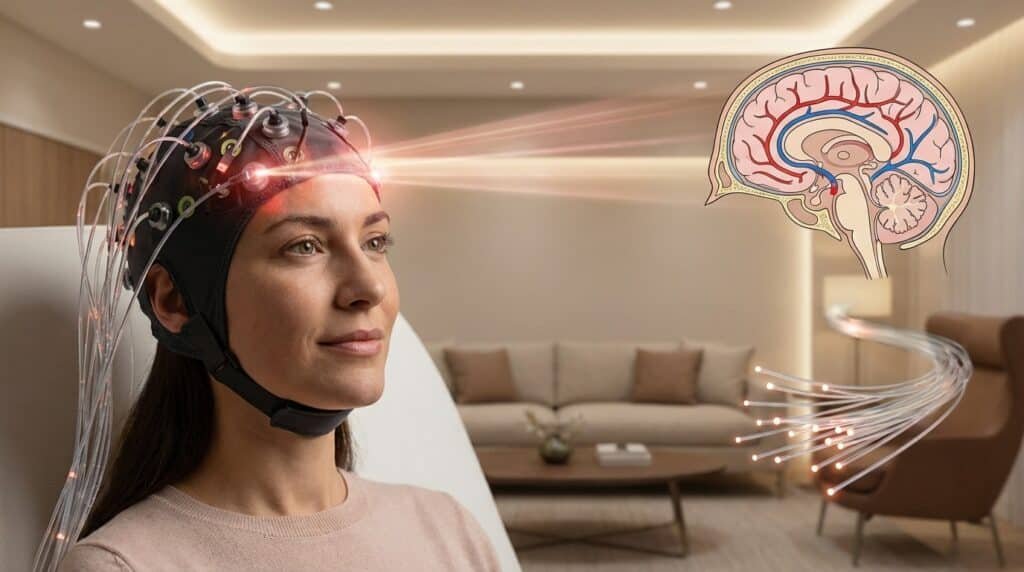
In summary: Where MEG seeks absolute technical perfection to decode thought processes, SPIRf seeks flexibility to observe humans in their natural environment. These two tools prove that modern imaging is no longer content with corrected images, but seeks to capture life itself.
Technology at the service of healthcare: when science steps in
Beyond simple observation, medicine now uses tools capable of acting directly on neural circuits to treat serious conditions. These methods are referred to as “invasive” because they require surgical intervention.
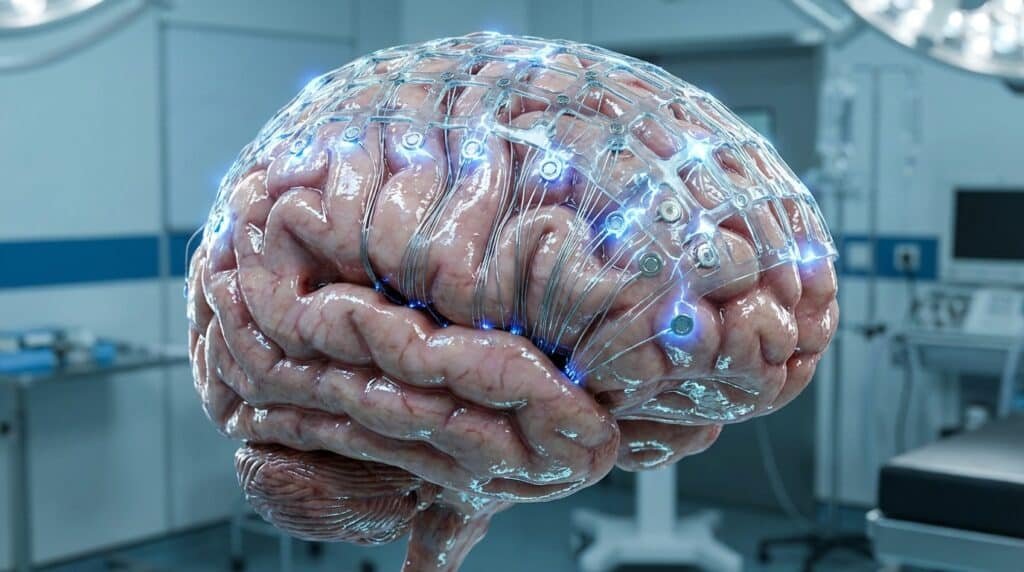
L’électrocorticographie : cette technique est le recours ultime pour les patients souffrant d’épilepsie sévère qui ne répondent plus aux médicaments.
- The principle: Sensors on the scalp are no longer sufficient. Place a grid of electrodes directly on the surface of the brain.
- The concrete benefit: This allows the “focus” of epilepsy (the precise location where seizures are triggered) to be located with surgical precision. Once this area has been identified, doctors can intervene to stop seizures while preserving vital areas such as those responsible for language or motor skills.
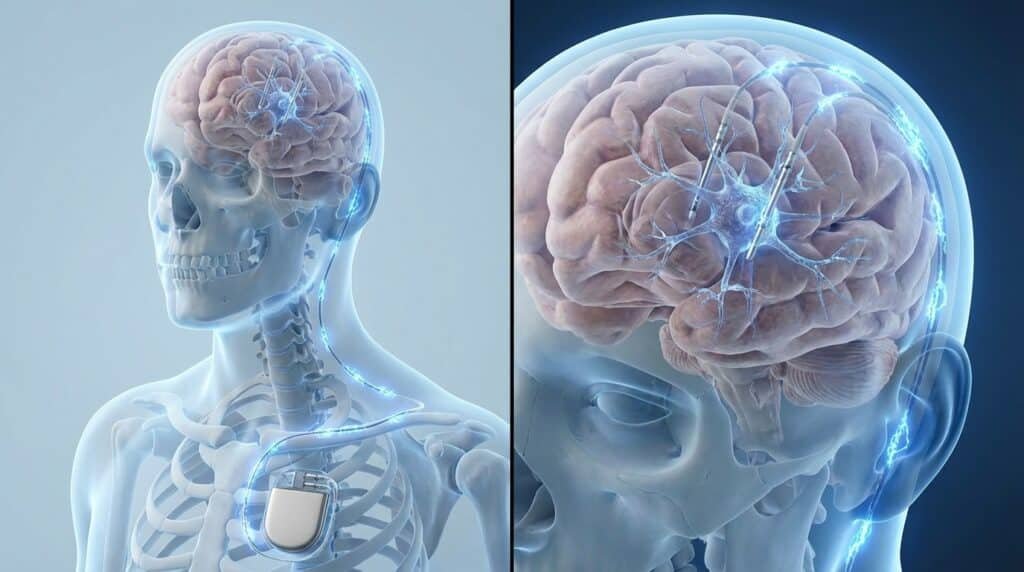
Deep brain stimulation: a “pacemaker” for the brain. This is a major breakthrough in the treatment of Parkinson’s disease and certain resistant obsessive-compulsive disorders (OCD).
- The principle: Thin electrodes are implanted deep within the brain. They are connected to a small device placed under the skin near the collarbone, which sends regular electrical impulses.
- The concrete benefit: These impulses make it possible to “recalibrate” faulty neural networks. For a Parkinson’s patient, this can almost instantly stop tremors and rigidity, allowing them to regain a remarkable degree of independence of movement.
An immense ethical responsibility
Because they affect personal integrity, these practices are strictly regulated:
- Absolute safety: They are only offered as a last resort, after all other treatments have failed.
- The legal framework: Each procedure follows international ethical protocols. The brain is not “modified” to enhance performance, but only to restore a vital function or relieve severe suffering.
- Follow-up: Patients receive ongoing medical and psychological support, because acting on the brain means acting on the individual’s control center.
How our brain learns and adapts on a daily basis
Current research identifies three major mechanisms that explain how our minds process information and evolve over time.
- Brain plasticity
The first of these pillars is brain plasticity, which teaches us that the brain is not a fixed organ after childhood, but a constantly reconfiguring work in progress. Every experience we have or new thing we learn physically changes the structure of our neurons. This dynamic process strengthens the most active connections and eliminates those that are no longer useful, ensuring a potential for transformation throughout our lives, whether it be to develop new skills or to recover from injury.
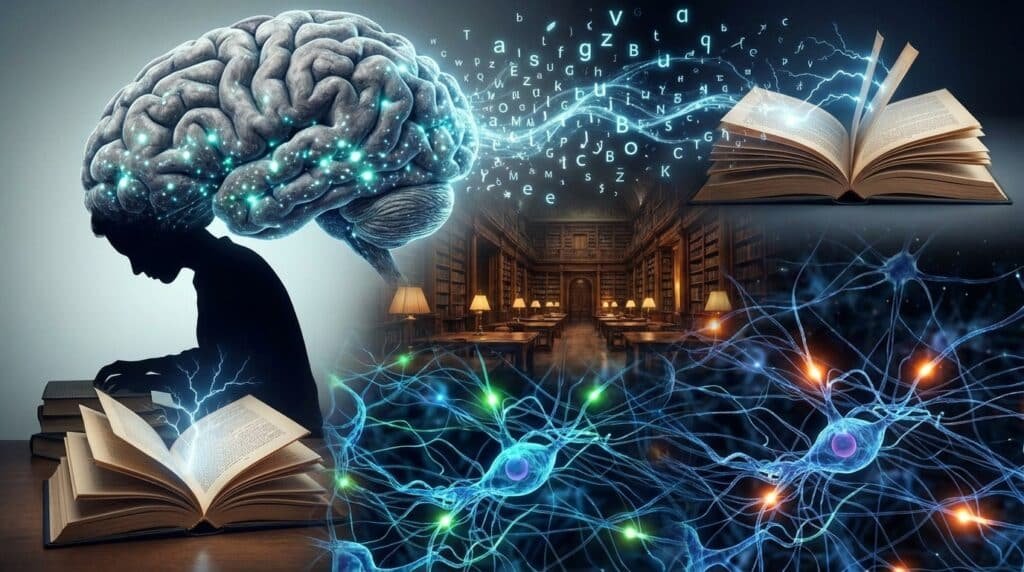
This concept resonates strongly with our modern ideals of individual autonomy. It explains the great sociological success of current brain plasticity.
- Attention and cognitive load: the economics of resources
The second mechanism concerns attention and mental load, acting as an essential sorting system in a world saturated with information. To avoid overheating, the brain uses attention as a selective filter, ignoring unnecessary distractions to focus on the essentials. However, this resource is limited: when the mental load becomes too heavy, for example by multiplying complex tasks, the system becomes saturated, which explains the decline in efficiency and intellectual fatigue.
- Memory and learning: the art of encoding
Finally, memory and learning constitute the third pillar, transforming our fleeting experiences into lasting memories. This construction process, called encoding, requires time and repetition for the information to be truly stabilized by neural circuits. In this context, sleep plays a vital role, as it is during the night that the brain sorts, classifies, and permanently anchors the knowledge acquired during the day. Without this rest, memory cannot permanently fix our history and knowledge.
Our choices and actions: the balance between reason and emotions
The mechanisms of our thinking are not confined to our skulls; they dictate our every interaction and decision.
The mechanics of our decisions: between impulse and reflection
Making a decision, even the simplest one, requires the brain to perform a complex calculation. Each choice forces us to assess uncertainty by weighing the risks on one side and the potential gains on the other. To enable us to navigate the real world, our nervous system constantly calculates probabilities of success. This internal management is the result of a constant intertwining of our biology, thoughts, and actions.
In this process, we often imagine that reason and emotion are opposed. In reality, emotion is not the enemy of reason; it acts as an indispensable advisor. It allows us to make quick decisions in vital situations where a purely mathematical analysis would take too long. Without the contribution of emotions, we would be unable to prioritize our priorities or feel the value of one option over another.

The role of final judge falls to the prefrontal cortex, located at the front of our brain. It is responsible for arbitrating between our immediate impulses (such as the desire for instant gratification) and our long-term goals (such as preserving our health or finances). By acting as a regulator, it allows us to curb our instincts in favor of more thoughtful choices that are better suited to our social lives.
Cognitive biases: when the brain simplifies reality
To avoid becoming overwhelmed by the constant flow of information, our brains have learned to take mental shortcuts. Instead of analyzing every detail exhaustively, it simplifies reality to save precious time and metabolic energy. While this strategy is effective for making quick decisions, it creates cognitive biases, i.e., distortions that alter our perception of the real world and sometimes lead us to erroneous conclusions.
This way of functioning is a direct legacy of our evolution. In the wild, survival often depends on immediate reaction rather than absolute accuracy. It was statistically safer for our ancestors to err on the side of caution by fleeing unnecessarily from a suspicious noise than to take too long to analyze whether it was actually a predator. Our nervous system has therefore been shaped to prioritize speed over accuracy, an adaptive rule that still persists today.
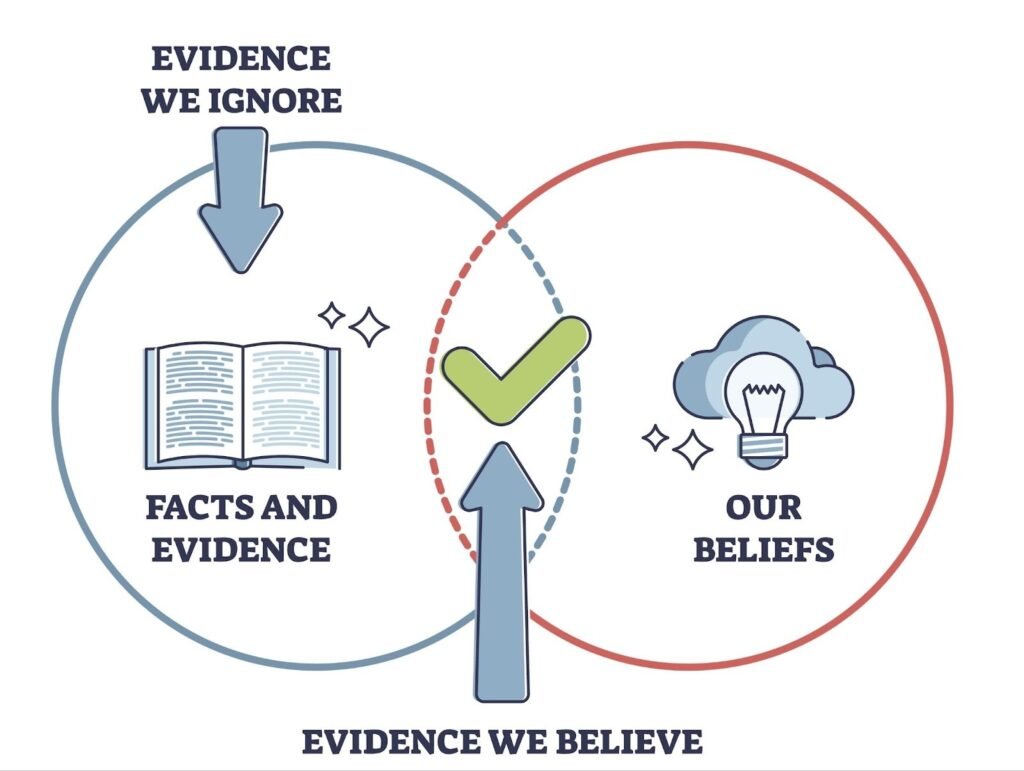
However, these errors in judgment weigh heavily on our modern collective behavior. They insidiously shape our prejudices, solidify our opinions, and influence the way we interact in society. By pushing us to favor information that confirms our beliefs (confirmation bias) or to judge complex situations too quickly, these mechanisms become filters that can alter our social judgment and daily interactions.
We do not see the world as it is, but as we want it to be.
The biology of connection: how we live together
Understanding others is not an intellectual effort, but a biological reflex. Our brains constantly simulate mental scenarios to guess the intentions of others. Thanks to emotional resonance, we naturally feel what others are feeling. This internal mimicry, often driven by mirror neurons, is the basis of empathy: it allows us to understand the emotions of others without the need for long discussions.

This biological connection also influences dynamic groups. In a group or crowd, our brains tend to synchronize. We then observe social cognition, where the individual fades into the background to make way for a collective response. It is this mechanism that allows a sports team or a group to move in unison and quickly in response to a given situation.
Finally, our bodies are constantly adapting motor skills. Without realizing it, we adjust our movements and postures to the social environment around us. This synergy between body and mind ensures fluid communication and allows us to find our place within the group in a natural way.
Limits and ethics: what science still needs to discover
Despite advances in neuroscience, the brain remains somewhat of a mystery. One of the biggest pitfalls is believing that an MRI image explains everything.
Distinguishing correlation and causation in the results
Seeing an area light up does not necessarily mean that it is the “cause” of a behavior. The brain functions like a vast interconnected network: everything is linked, and it is often impossible to isolate a single culprit to explain a complex action. Caution is therefore advised before drawing definitive conclusions.
Why the brain is not just a computer
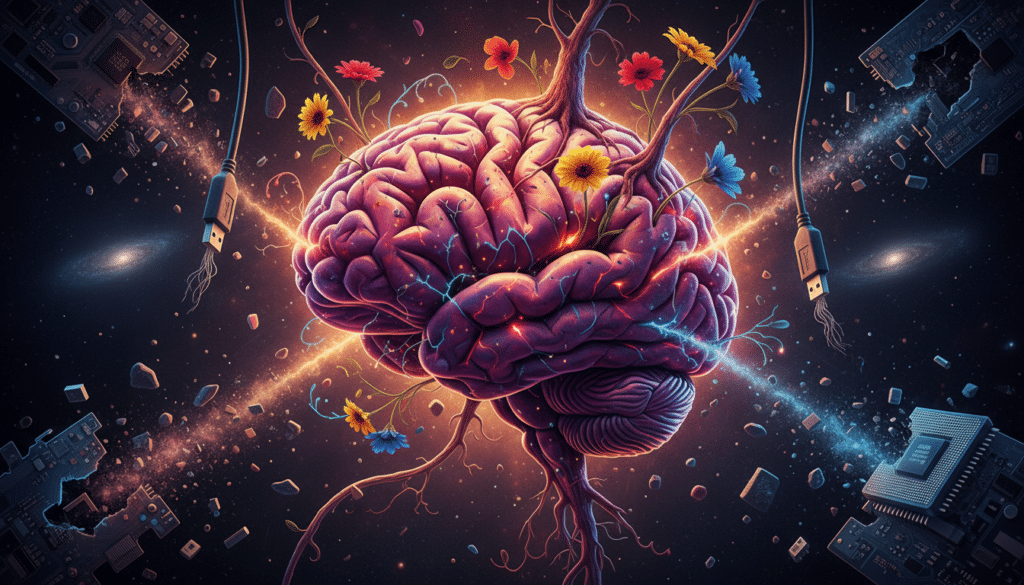
We must also stop comparing our brains to computers. Machines follow rigid rules, whereas the brain is a living, malleable organ. Its biological complexity surpasses that of any processor, as it combines chemistry, emotions, and personal experiences. Mathematical calculations allow us to understand certain mechanisms, but they can never perfectly replicate the reality of life.
Reproducibility and challenges of animal experimentation
Finally, science advances with a great moral responsibility. To be valid, the results of a study must be reproducible, i.e., verifiable by other researchers. This rigor goes hand in hand with strict ethics, particularly to protect animal welfare. We do not seek to unlock the secrets of the mind at any cost: respect for life remains the golden rule of all serious research.
From the laboratory to real life: the challenges of science
Discoveries about the brain should not remain confined to test tubes; they are meant to transform our daily lives. However, the transition from theory to practice requires great vigilance so as not to distort biological reality.
Deconstructing neuromyths and overinterpretation
One of the biggest challenges in communication is debunking neuromyths, or popular beliefs with no scientific basis. The most famous of these claims that we only use 10% of our brain. The reality is quite different: imaging shows that every area, even at rest, plays a specific role. The media sometimes tend to oversimplify preliminary studies, turning them into “absolute truths.” This quest for sensationalism often creates unrealistic expectations or unnecessary fears. Scientific truth requires nuance and rigor to distinguish facts from marketing slogans.
Practical applications: education and mental health
Neuroscience is now providing answers to the major challenges facing our society:
- Education: We now have a better understanding of the mechanisms of brain plasticity and memory consolidation. Adapting teaching to children’s biological rhythms (sleep, spaced repetition, active engagement) helps optimize learning without causing emotional blockages.
- Mental health: Research is no longer limited to treating symptoms. By observing changes in neural circuits, psychiatrists can now refine their diagnoses for disorders such as depression, anxiety, and bipolar disorder, thereby offering more targeted therapies.
- The digital challenge: Our screens constantly demand our attention in an artificial way. Understanding how this flow of information affects our ability to concentrate is vital to helping younger generations maintain their mental well-being.
Towards responsible use in the workplace
Information overload kills real productivity in the office. There is an urgent need to rethink our work environments to respect the biological limits of our attention and avoid burnout.
Understanding our cognitive biases helps leaders better navigate uncertainty. The company can incorporate this valuable knowledge to make fair decisions, without distorting or manipulating it.
The ultimate goal remains the concrete improvement of human well-being. Science must serve everyday fulfillment, rather than becoming a mere tool for raw performance.
Conclusion : devenez acteur de votre propre cerveau
In short, neuroscience is not just a laboratory discipline; it is the key to a better understanding of yourself. Whether in education, healthcare, or work, this dialogue between your biology and your environment defines your autonomy.However, with science evolving every day, always keep a critical mind. Learning to distinguish real breakthroughs from simplistic myths is the first step toward regaining control over your own mental functioning.
FAQ: Everything you need to know about the brain and behavior
What exactly does cognitive neuroscience cover today?
Cognitive neuroscience lies at the intersection of psychology and biology. This field of research studies the biological mechanisms that create our thoughts, such as language, memory, and decision-making. To do this, researchers combine brain imaging, behavioral testing, and mathematical models to understand how the brain produces the mind, whether in a healthy or sick person.
Is it true that we only use 10% of our brain?
This is a complete neuromyth. Modern imaging proves that we use almost all of our brain. Even if not all areas are active at the same time, no part is useless or “asleep.” The brain is an optimized biological organ where each neural network has a specific function, even when you are resting.
What is the difference between an MRI and an EEG for observing the brain?
It’s all a question of prioritizing between place and time:
- fMRI is the expert on “where”: it precisely locates active areas, but it has a delay of a few seconds.
- EEG is the expert on “when”: it captures electrical activity to within a millisecond, but it has difficulty locating the exact origin of the signal in depth.
Can the brain reconfigure itself in adulthood?
Yes, this is called brain plasticity. Your brain is not a fixed entity after childhood. It retains the ability to create or modify its neural connections throughout your life. Every new skill you learn (playing the piano, a language, or a trade) physically transforms the structure of your neural networks.
How does ethology help us understand humans?
Ethology studies behavior in its natural environment. By observing humans as one species among many, it helps us understand deep-rooted reflexes, such as our fear responses, nonverbal social interactions, and crowd movements. It reminds us that our actions are often rooted in survival and adaptation.
Why isn’t the brain a computer?
Unlike a computer, the brain does not follow a rigid binary code. It is a living organic system, influenced by complex chemistry (hormones, neurotransmitters) and capable of transforming itself. In addition, our emotions and our bodies are directly involved in our thinking, something that no machine can replicate.
The last word
Exploring neuroscience is much more than just taking an interest in a scientific discipline: it means delving into the very heart of what makes us human. By understanding how our brain processes information, how it changes through plasticity, and why it sometimes deceives us through our cognitive biases, we cease to be mere spectators of our own behavior.
This knowledge is a valuable key to our well-being. It allows us to learn better, protect our mental health, and navigate with greater perspective in a world saturated with information. But let’s not forget that science is a journey, not a final destination. When faced with each new study, keep your critical thinking skills sharp: nuance is the sign of true intelligence.
Ultimately, your brain is your most powerful tool for interacting with the world.
Taking care of it and understanding it means seeking to provide oneself with the means for a more conscientious and fulfilling life.